


A well-designed commercial kitchen in the UAE ensures safety, efficiency, and compliance with strict regulations. Poor layouts can lead to injuries, inefficiency, and penalties ranging from AED 5,000 to AED 1,000,000. Here’s what you need to know:
- Regulations: Adhere to Dubai Municipality (DM) and Dubai Civil Defence (DCD) standards for food safety, fire safety, ventilation, and waste management.
- Safety: Use non-slip flooring, fire suppression systems, and ergonomic equipment to reduce risks.
- Efficiency: Plan logical workflows with clear zones (storage, prep, cooking, cleaning) to improve productivity by up to 50%.
- Ventilation: Install advanced systems to manage heat and odours, crucial in UAE’s hot climate.
- HACCP Compliance: Maintain updated food safety plans to prevent contamination and pass inspections.
- Materials: Choose durable, washable, and light-coloured surfaces to meet hygiene standards.
Key takeaway: Prioritising safety and compliance not only protects your staff but also strengthens your business’s reputation and operational success.
UAE Regulations for Commercial Kitchens
Running a commercial kitchen in the UAE involves navigating a detailed approval process governed by multiple regulatory authorities. Dubai Municipality (DM) handles key aspects like food safety, hygiene, interior layouts, drainage systems, ventilation, and waste management. Meanwhile, Dubai Civil Defence (DCD) focuses on fire safety, covering fire suppression systems, alarms, emergency exits, and fire-rated partitions. Before construction begins, you must secure layout approvals from both DM and DCD. Final trade licences are only issued after these authorities conduct their inspections.
The consequences of non-compliance are severe. Violations of Federal Decree Law 33/2021 can result in fines ranging from AED 5,000 to AED 1,000,000. Repeat offences within a year may lead to imprisonment and doubled fines. Breaching environmental laws, such as improper waste disposal, carries even heftier penalties, potentially reaching AED 10,000,000.
To avoid costly setbacks, it's crucial to engage certified DM/DCD-registered consultants or contractors from the start. These professionals ensure that your MEP (Mechanical, Electrical, Plumbing) drawings meet the required standards and that your kitchen layout adheres to zoning rules. For instance, raw and cooked food preparation areas must be separate, as must dishwashing zones and food prep areas. Use materials that are non-absorbent, washable, light-coloured, and free of cracks in food preparation zones. Once these foundational approvals are in place, implementing hazard control measures like HACCP adds another layer of safety for both staff and customers.
HACCP Compliance for Food Safety
Dubai Municipality mandates the use of HACCP (Hazard Analysis and Critical Control Points), a system designed to manage biological, chemical, and physical hazards. Businesses must keep an updated HACCP manual or Food Control Plan on-site, as inspectors will check these documents during initial approvals and routine audits.
"HACCP is a system designed to help prevent foodborne illness by monitoring and controlling potential risks to food safety." - Integrated Assessment Services (IAS)
HACCP certification applies to all sectors of the food supply chain, from fisheries and meat processing plants to restaurants, hospitals, and catering services. The system’s proactive approach - focusing on hazard prevention rather than reactive inspections - plays a critical role in safeguarding both employees and customers from contamination risks.
Dubai Municipality and Civil Defence Requirements
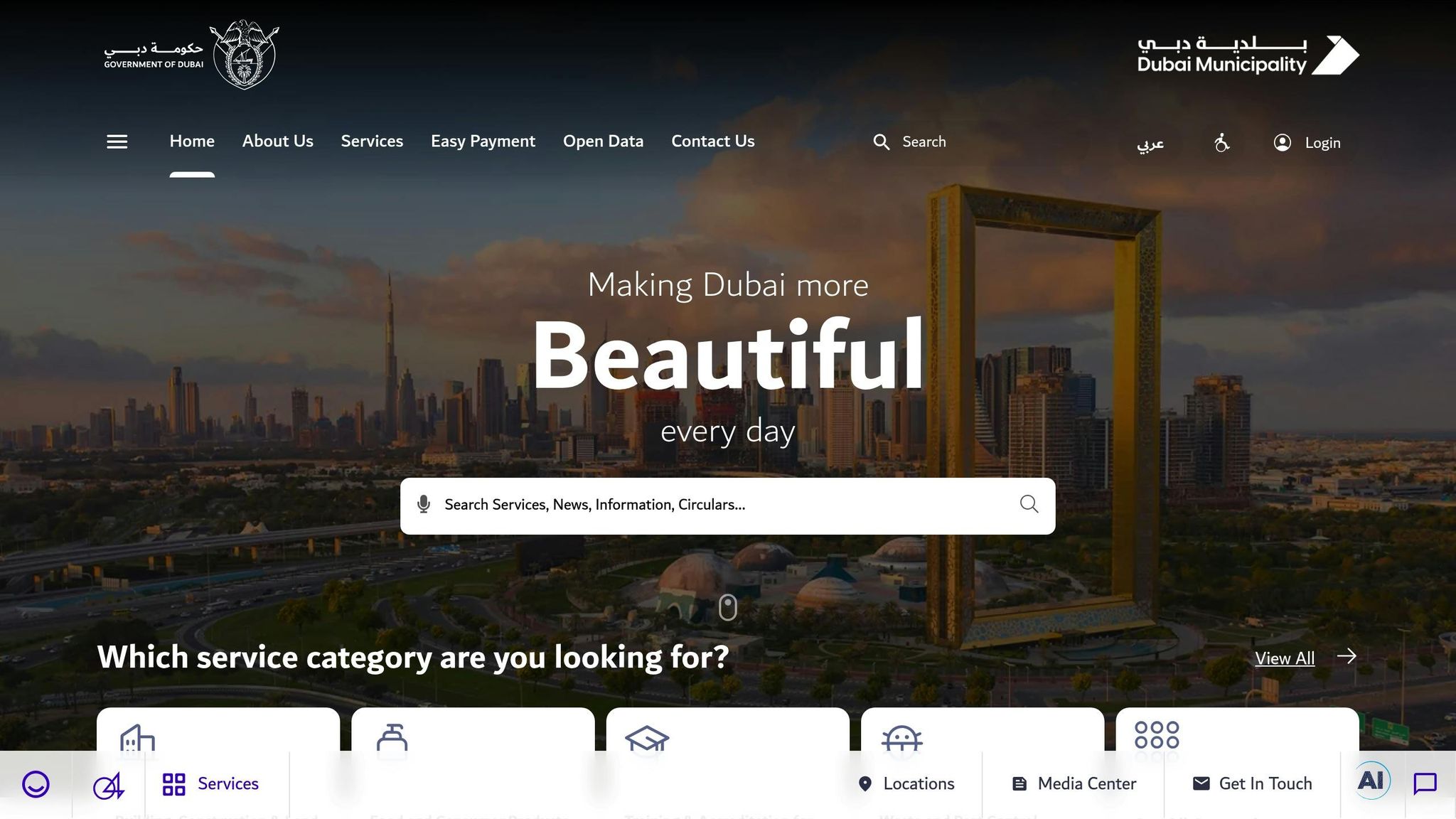
Dubai Municipality’s regulations extend beyond food safety to cover your kitchen’s overall infrastructure. Early in the design process, you’ll need to account for mechanical exhaust systems, grease traps, and odour control - all of which are key focus areas during inspections. Other requirements include maintaining a clear separation between kitchen and dining areas, ensuring proper drainage systems, and implementing compliant waste management practices.
On the other hand, Dubai Civil Defence ensures fire safety and emergency preparedness. Your kitchen must feature fire suppression systems, particularly for grease-heavy cooking equipment, along with fire alarms, emergency lighting, and clearly marked emergency exits. These regulations are governed by the UAE Fire and Life Safety Code of Practice, a comprehensive 1,348-page document based on National Fire Protection Association (NFPA) codes. When different authorities have overlapping requirements, the Code specifies that its minimum standards take precedence unless stricter rules apply.
One detail often overlooked: Article 66.2 of the Labour Law requires all safety instructions and warning signs to be displayed in both Arabic and a language understood by your workers. This ensures every team member, regardless of their native language, can follow safety protocols and respond effectively in emergencies. Strict adherence to these guidelines not only ensures legal compliance but also creates a safer, more efficient workspace for your staff.
Kitchen Layouts for Better Workflow
Once you've secured the necessary approvals, it's time to focus on creating a kitchen layout that promotes a smooth, one-way flow - from receiving ingredients to plating dishes. This approach reduces the chances of collisions, minimises hazards, and ensures your team can work efficiently. A poorly designed kitchen, on the other hand, forces staff to zigzag between stations, carry hot pots through crowded spaces, or make repeated trips for ingredients. Not only does this slow down service, but it also increases the risk of burns, slips, and accidents. Research shows that a well-thought-out kitchen layout can improve staff productivity by up to 50%.
The key is to establish a logical, one-way flow where ingredients move step by step - from receiving and storage to preparation, cooking, and finally plating. This setup ensures paths don't overlap, significantly reducing the likelihood of staff bumping into each other while carrying sharp knives or hot pans.
"A layout that doesn't respect the natural progression of food through these zones is just setting itself up for inefficiency. The goal is to minimise steps and create an environment so intuitive that every team member knows exactly where they need to be", says Sean Kearney, Founder of The Restaurant Warehouse.
This streamlined layout lays the foundation for the detailed work zones discussed next.
Work Zones: Dividing Your Kitchen Space
Breaking your kitchen into five key zones - Receiving/Storage, Preparation, Cooking, Service/Plating, and Warewashing - helps reduce congestion and ensures smooth operations. For instance, placing the warewashing area away from the service line ensures that dirty dishes never cross paths with clean, plated food, thereby avoiding hygiene risks and traffic jams. Moreover, compliance with Dubai Municipality and HACCP standards requires clear physical separation between areas where raw proteins are handled and zones for ready-to-eat food.
Grouping equipment into functional "pods" can further enhance efficiency. For example, positioning a griddle next to a fryer minimises unnecessary movement, reducing fatigue for your team. Features like under-counter refrigeration keep essential ingredients within arm's reach, while vertical storage solutions, such as wall-mounted shelves above prep tables, help maintain tidy, uncluttered workspaces.
Space Planning for High-Traffic Areas
In busy zones of the kitchen, careful planning is essential to avoid bottlenecks and potential accidents. Keep traffic aisles between 36 and 48 inches wide, and conduct a door swing audit to ensure appliance doors don’t block movement. Designate separate delivery zones with packing stations to prevent off-premise order preparations from interfering with the main cooking line. Additionally, strategically placing handwashing sinks in high-traffic areas - distinct from food preparation sinks - encourages proper hygiene without disrupting the workflow.
Choosing Equipment for Staff Comfort and Safety
Once you’ve established a safe and regulated kitchen design, the next step is selecting equipment that prioritises both staff comfort and safety. The right equipment not only reduces injury risks but also helps retain employees. Consider this: replacing a single restaurant worker can cost around AED 21,500, while replacing a manager might exceed AED 47,700. By investing in equipment that supports ergonomics and safety, you’re not just meeting compliance standards - you’re safeguarding your team, the backbone of your operation. This approach complements the ergonomic principles already implemented in your kitchen layout.
Equipment with Adjustable Heights and User-Friendly Controls
Ergonomic equipment can make a world of difference during the long, demanding shifts common in the food service industry. Adjustable work surfaces and electric tilting bratt pans, for example, help reduce physical strain and minimise heavy lifting. In storage areas, adjustable shelving systems cut down on excessive reaching or bending, while under-counter refrigeration units keep essential ingredients conveniently within arm’s reach during food prep.
Digital displays on refrigeration and cooking equipment provide quick, hassle-free condition checks, streamlining workflows. For dishwashing, flight-type dishwashers equipped with integrated pre-rinse and disposal features eliminate the need for repetitive manual scrubbing. These thoughtful features not only enhance comfort but also contribute to maintaining an optimal kitchen environment - ideally between 21°C and 24°C with 50% relative humidity.
Safety Features in Cooking and Cleaning Equipment
Ergonomics are just one piece of the puzzle; safety features are equally important. Equipment like slicers and food processors should include safety guards to shield moving parts, while automatic shutoff switches ensure appliances deactivate if fire suppression systems are triggered.
Advanced systems like Demand-Controlled Kitchen Ventilation (DCKV) take safety and efficiency to the next level. These systems use sensors that respond to temperature changes up to five times faster than standard models, dynamically adjusting airflow to maintain a comfortable environment and cutting electrical costs by up to 88%. For fire safety, kitchen hoods should be equipped with UL 300 or LPCB-certified wet chemical suppression systems, with nozzles strategically placed over high-risk equipment such as fryers and grills. These features collectively create a safer workspace, allowing staff to focus on their tasks without constant worry about potential hazards.
Proper Ventilation and Lighting
Creating a safe and comfortable kitchen environment heavily relies on effective ventilation and lighting. In the UAE, commercial kitchens often face extreme temperatures exceeding 38°C, driven by the intense heat from equipment and open flames. Ventilation here is not just about keeping the space cool - it’s a critical measure to prevent heat stress and to ensure kitchen staff remain productive. Poor air quality caused by smoke, grease, and odours also poses respiratory risks and increases fire hazards, making robust ventilation systems a must-have in any kitchen design. Let’s explore ventilation and lighting strategies that contribute to a safer kitchen setup.
Ventilation Systems to Control Heat and Odours
A well-designed ventilation system is indispensable. Components like exhaust hoods, ductwork, grease traps, and makeup air systems work together to manage heat, prevent grease buildup, and maintain clean air. Without makeup air, negative pressure can build up, causing doors to slam unexpectedly and straining your HVAC system.
For kitchens using open flames or grease-heavy equipment, the Dubai Civil Defence (DCD) mandates that ventilation hoods must integrate with fire detection and suppression systems. This aligns with the broader safety requirements set by regulatory authorities. Advanced options like Demand Control Kitchen Ventilation (DCKV) systems use sensors to monitor heat and smoke levels, automatically adjusting fan speeds. This technology can cut ventilation-related energy costs by up to 90%.
Steer clear of using standard floor fans to cool the kitchen. These fans merely circulate hot air and spread grease or dust, undermining hygiene standards. Instead, focus on strategically placing exhaust systems and grease traps during the initial design phase to avoid expensive modifications later on. Always ensure that your MEP consultant is registered with Dubai Municipality (DM) and DCD, as this is essential for passing final inspections.
Task and Ambient Lighting for Better Visibility
Good lighting is just as important as ventilation when it comes to creating a safe kitchen environment. Properly designed lighting eliminates dark areas where hazards might go unnoticed. Bright and even lighting ensures that staff can clearly see tools and potential dangers, reducing the risk of accidents. Dubai Municipality regulations require adequate natural and artificial lighting in food preparation areas to uphold safety and hygiene standards.
To enhance visibility, use light-coloured, non-absorbent finishes on walls and ceilings, which help reflect light more effectively. Emergency lighting is another critical element. Dubai Civil Defence mandates emergency lighting systems with a 90-minute battery backup and monthly functional tests. In occupied kitchen areas, maintained lighting units - which remain on at all times - are essential to ensure consistent illumination during power transitions. These systems provide well-lit escape routes during power outages or emergencies involving smoke, helping to safeguard staff in critical situations.
sbb-itb-19c3c9a
Materials and Flooring to Reduce Injury Risks
After ensuring proper ventilation and lighting, the next step in creating a safe commercial kitchen is selecting the right materials and flooring. Slips, trips, and falls are among the most frequent workplace injuries in kitchens. The surfaces you choose can either help prevent these accidents or make them worse. Dubai Municipality requires food zone surfaces to be non-absorbent, washable, light-coloured, and crack-free. These features not only reduce slip hazards but also make spills visible and prevent bacteria from hiding in hard-to-clean spots. Choosing the right materials isn’t just about meeting regulations - it’s about protecting your staff and maintaining a safe, efficient environment. Below, we’ll explore the best flooring options and heat-resistant surfaces tailored to meet local standards.
Non-Slip, Easy-to-Clean Flooring
For high-traffic kitchens, anti-slip porcelain tiles are a top choice. These tiles offer the durability needed to withstand heavy foot traffic and harsh cleaning chemicals while being easy to maintain. Plus, they resist water, grease, and food waste, making them ideal for messy kitchen environments. Porcelain tiles also mimic the look of natural stone but with much lower water absorption - perfect for areas prone to spills.
Light-coloured flooring not only complies with regulations but also makes it easier to spot spills, dirt, or even pests, allowing for quick action. To enhance safety further, use abrasive anti-slip grip tapes on ramps and stairs, and opt for non-abrasive "Aqua-Safe" tapes in food preparation zones, striking the right balance between traction and hygiene.
For better cleanliness and safety, consider coving floor-to-wall junctions. This design eliminates sharp corners where bacteria can hide and simplifies cleaning. Proper drainage is equally important - standing water isn’t just a slip hazard; it can also lead to failed inspections. Aligning all material choices with HACCP principles ensures you’re prioritising both safety and food hygiene.
Heat-Resistant and Hygienic Surfaces
When it comes to work surfaces, stainless steel is the gold standard. It’s heat-resistant, easy to clean, and highly durable. For most food contact areas, SS304 grade stainless steel is commonly used. However, for coastal kitchens or environments exposed to salt and harsh chemicals, SS316 grade offers superior corrosion resistance.
"Our Ajman factory uses SS304/316, precise laser cutting, and neat welds. Therefore, you get durable surfaces, hygienic corners, and easy cleaning" - ALPHA Kitchen.
High-quality stainless steel fabrication is key to ensuring safety and longevity. Look for surfaces with rounded edges to reduce bacteria build-up and minimise injury risks during cleaning. During installation, all joints should be carefully sealed to prevent water and food debris from settling in gaps.
For areas where staff stand for long periods, consider water-resistant anti-fatigue mats. These mats not only provide better traction but also improve comfort, reducing strain on workers without introducing tripping hazards. By combining durable, hygienic work surfaces with thoughtful safety features, you can create a kitchen environment that’s both efficient and secure.
Compliance Checklist for UAE Commercial Kitchens
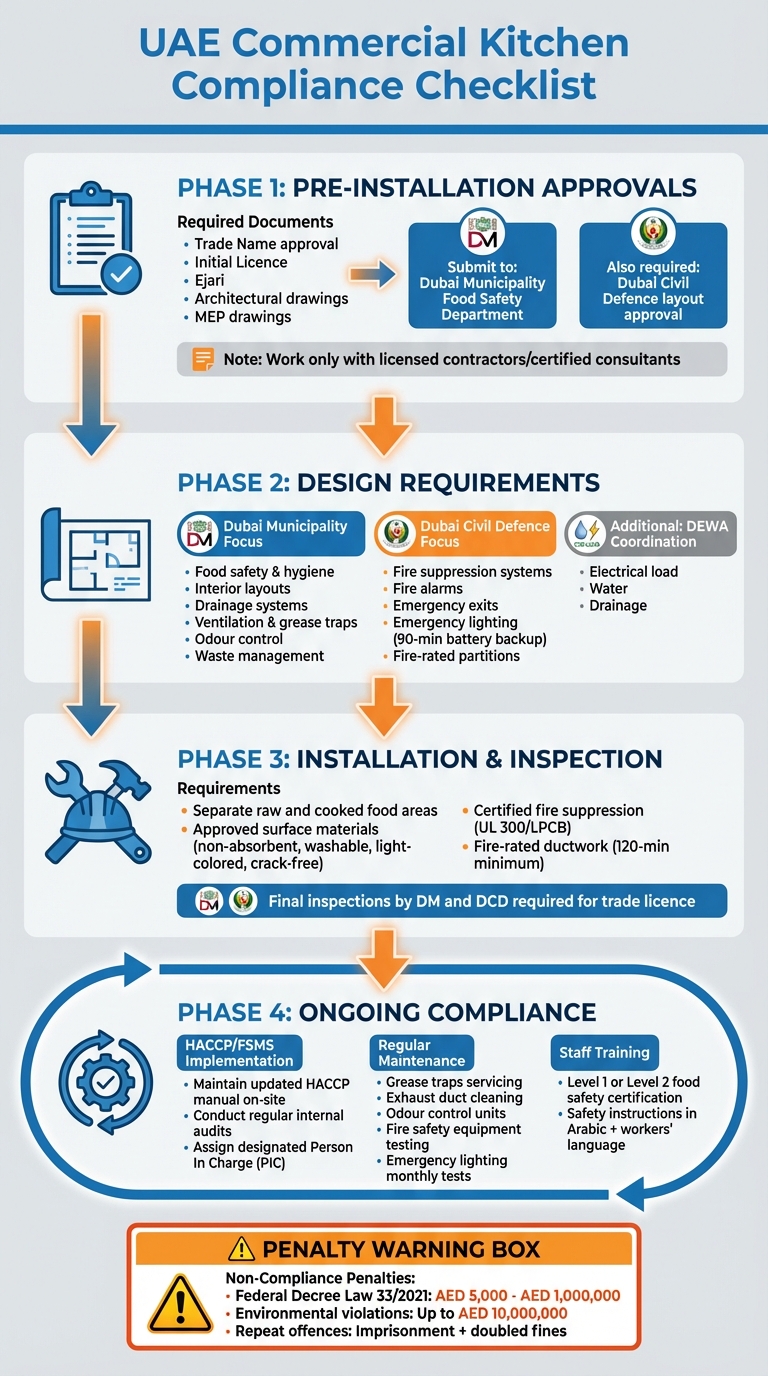
UAE Commercial Kitchen Compliance Checklist: Pre-Installation to Operation
In the UAE, meeting compliance standards for commercial kitchens starts well before installation and continues throughout daily operations. The process involves approvals from multiple authorities. Dubai Municipality oversees aspects like food safety, hygiene, interior layouts, drainage, ventilation, and waste management. Meanwhile, Dubai Civil Defence ensures fire safety measures, including alarms, suppression systems, emergency exits, and emergency lighting, are in place. Depending on your location, additional approvals may be required from authorities like Trakhees, DDA, or DIFC.
Pre-Installation Approvals and Inspections
Before construction begins, you’ll need to secure several key documents: Trade Name approval, Initial Licence, Ejari, and detailed architectural and MEP drawings. These documents must be submitted to Dubai Municipality's Food Safety Department for a layout assessment. This step ensures your design includes essential features like grease traps, exhaust ducts, and odour control systems.
"The procedure is made to guarantee that all kitchen designs fit to regional environmental, health, and safety regulations. Before beginning any building or renovation work, this approval is required."
– MRS Food Safety
Your kitchen layout must separate raw and cooked food areas and use approved surface materials. For fire safety, submit a detailed layout to Dubai Civil Defence, showing how equipment - especially those using open flames or generating grease - will be protected by certified suppression systems. Additionally, coordinate with DEWA to confirm your kitchen’s electrical load, water supply, and drainage systems are sufficient.
To avoid delays, work only with licensed contractors or certified consultants. Unlicensed professionals can lead to approval setbacks and costly corrections. Once your fit-out is complete, your kitchen must pass final inspections by both Dubai Municipality and Dubai Civil Defence to secure your trade licence.
Regular Maintenance and Compliance Audits
After obtaining the necessary approvals and passing inspections, maintaining compliance becomes a continuous responsibility. Implement a Food Safety Management System (FSMS) based on HACCP principles, which involves documenting food safety processes and conducting regular internal audits to identify and address potential hazards.
"We cannot stress the importance of internal audits enough. Constantly check your chain and make sure nothing is missed."
– Mazen Kanaan, Co-founder and CEO, House of Pops
Schedule routine maintenance for grease traps, exhaust ducts, and odour control units to meet Dubai Municipality's standards. Similarly, fire safety equipment - such as suppression systems, alarms, and emergency lighting - must be regularly serviced according to Dubai Civil Defence regulations.
Ensure that all maintenance contractors are licensed and certified for kitchen fit-out activities. Assign a designated Person In Charge (PIC) and ensure your team completes the required Level 1 or Level 2 food safety training mandated by the municipality. Update training protocols whenever new menu items or processes introduce specific safety or hygiene challenges.
"Getting HACCP certification in the UAE is considered a strategic initiative as it will not helps you comply with the government regulations but also help you meet pre-qualification criteria for potential clients."
– Sterling International Consulting
Stay in regular contact with relevant authorities and monitor regulatory updates to ensure your kitchen remains compliant. Treating compliance as an ongoing process, rather than a one-time task, safeguards your staff and business from potential risks.
How Silverline Kitchens Delivers Complete Solutions
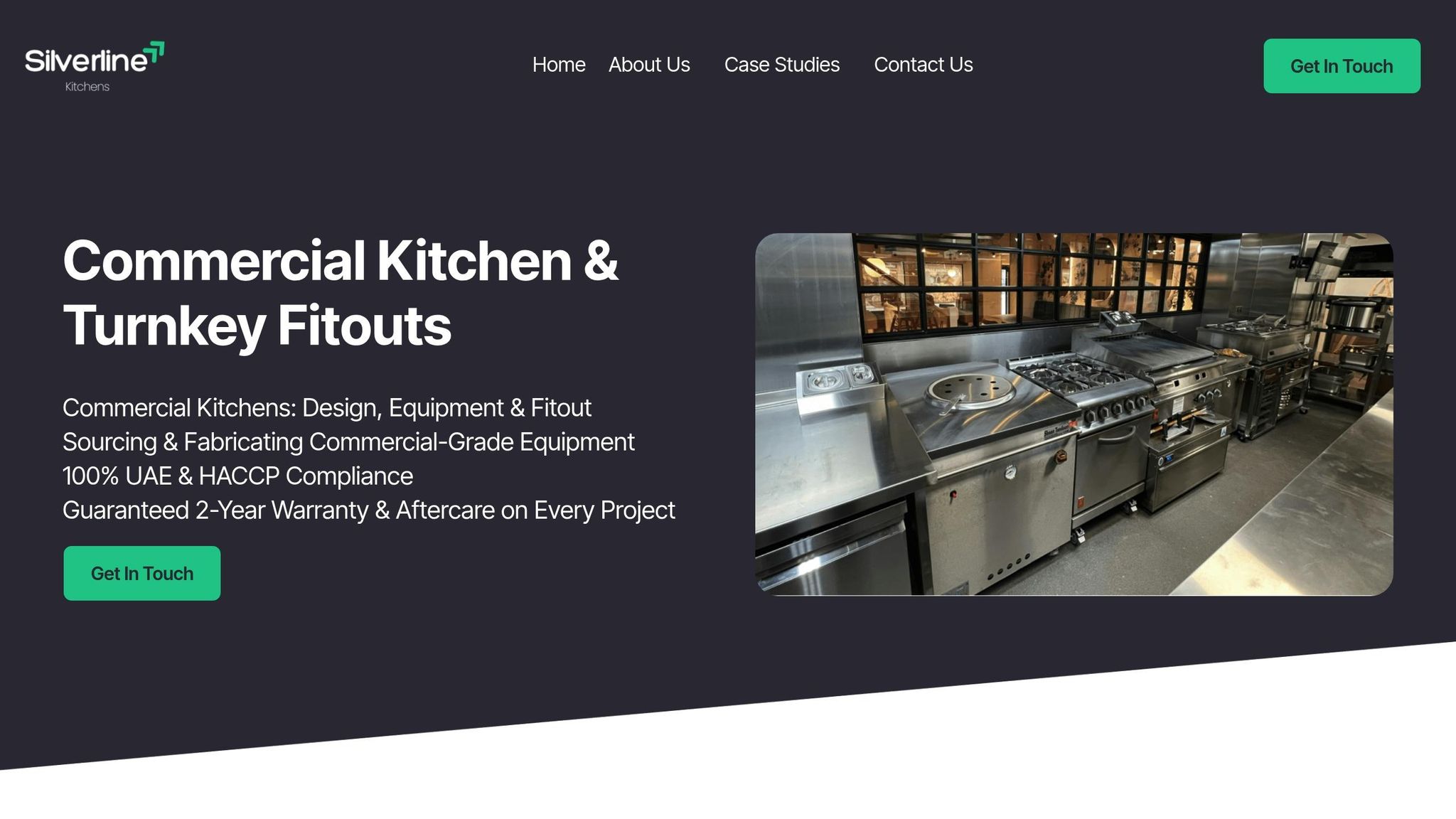
Silverline Kitchens takes pride in offering seamless, all-in-one solutions tailored to meet both UAE regulations and practical kitchen needs. From the initial concept to ongoing maintenance, they handle every step with precision. It all starts with a detailed site survey and client consultation. By understanding your menu, brand identity, and workflow, they ensure the final design isn’t just visually appealing but also optimised for how your team operates daily.
Custom Kitchen Design for Your Business
Every kitchen layout is crafted to make the most of the available space while minimising unnecessary staff movement. This thoughtful planning not only reduces the risk of collisions in busy areas but also improves service speed during peak times. Functional zones are clearly separated to meet UAE food safety standards.
During the design phase, Silverline Kitchens prepares detailed architectural and MEP (mechanical, electrical, plumbing) drawings for submission to Dubai Municipality’s Food Safety Department and Dubai Civil Defence. They work exclusively with registered consultants and contractors - whether through DM, DCD, or free zone authorities like Trakhees or DDA - to ensure smooth approval processes. Quotes for stainless steel fabrication are provided within 24 hours, and fabrication is completed within five days of design approval.
This meticulous design process sets the stage for efficient equipment installation.
Equipment Sourcing and Installation
Silverline Kitchens handles installation with a focus on essential systems like electrical, plumbing, and gas lines. To meet UAE Fire & Life Safety Code requirements, they integrate fire suppression systems certified under UL 300 or LPCB standards, along with fire-rated ductwork designed to last at least 120 minutes. After the installation, they go the extra mile by testing ovens, monitoring refrigeration performance, and ensuring exhaust hoods operate as intended.
"Professional installation safeguards your investment and ensures your business runs smoothly from day one."
– NMT Services
After-Sales Support and Maintenance
Support doesn’t end with installation. Silverline Kitchens provides ongoing maintenance, including scheduled servicing of refrigeration and exhaust systems, daily filter cleaning, and grease trap emptying. During the handover, staff receive training on equipment use, cleaning techniques, and safety measures. Maintenance logs are kept up-to-date to protect warranties and streamline audits. Additionally, they plan for adequate space around equipment during installation, making routine servicing and repairs hassle-free.
Regular maintenance is key to preserving the safety and efficiency established from the start.
Conclusion: Putting Staff First in Kitchen Design
A well-thought-out commercial kitchen does more than just meet regulatory requirements - it creates a workspace that is efficient, safe, and supportive for your team. By focusing on smart layouts, safety-centric equipment, proper ventilation, and full compliance with Dubai Municipality and Civil Defence standards, you’re not just protecting your staff - you’re laying the foundation for your business’s long-term success.
"Maintaining health and safety standards in commercial kitchens is crucial for protecting staff, customers, and your business reputation." – Your Kitchen Center
This quote highlights the importance of making safety a priority in every aspect of kitchen design. Incorporating HACCP-compliant workflows, ergonomically placed equipment, non-slip flooring, and advanced ventilation systems that manage heat and odours is essential. Clearly defined zones also help reduce contamination risks and improve overall efficiency.
Adhering to UAE regulations isn’t optional; details like fire-rated ductwork and UL 300-approved wet chemical suppression systems are critical to avoiding penalties or operational disruptions.
Silverline Kitchens takes the stress out of this process by handling every step - from site surveys and DM-approved designs to equipment setup and ongoing maintenance. By embedding safety and compliance into every stage, Silverline Kitchens ensures your kitchen not only meets UAE standards but also supports your team’s well-being. When staff comfort and safety are prioritised, your operational success naturally follows.
FAQs
What regulations must commercial kitchens in the UAE comply with?
Commercial kitchens in the UAE must follow strict regulations to maintain safety, hygiene, and proper operations. Here are some key requirements:
- Dubai Municipality Food Code: Kitchens must comply with the HACCP-based food safety management system. This includes obtaining approvals for kitchen design, covering aspects like ventilation, drainage, and surface finishes.
- Civil Defence Standards: Fire safety is a priority, requiring alarm systems, emergency lighting, and clear evacuation plans.
- DEWA Requirements: Kitchens need to meet specific standards for electricity and water usage, ensuring efficiency and safety.
In addition to these, regular inspections and comprehensive food safety training for staff play a vital role in ensuring compliance and maintaining high operational standards.
How does a well-planned kitchen design enhance staff safety and productivity?
A well-planned kitchen layout makes a huge difference in how smoothly a team can work. It’s all about giving staff enough space to move freely and safely between workstations. When areas for storage, preparation, cooking, and cleaning are properly allocated, the chances of accidents like slips, cuts, or burns drop significantly. Plus, keeping zones for raw food, high-heat cooking, and cleaning separate helps maintain hygiene and reduces the risk of cross-contamination.
A smart design doesn’t just keep things safe - it also boosts productivity. By setting up the kitchen so that ingredients naturally flow from storage to prep, cooking, and plating, you cut out unnecessary steps and avoid bottlenecks. Clearly defined work zones mean team members can work together efficiently without getting in each other’s way, speeding up service and improving overall performance. At Silverline Kitchens, these principles are at the core of every project, ensuring they meet UAE regulations while focusing on creating a safe and comfortable environment for staff.
Why is HACCP compliance essential for food safety in commercial kitchens in the UAE?
HACCP compliance plays a key role in ensuring food safety by offering a systematic, science-driven method to identify and address potential hazards - be they biological, chemical, or physical. This approach guarantees that every step of food handling aligns with the strict safety standards set by UAE authorities, including Dubai Municipality and Civil Defence.
Following HACCP protocols not only safeguards the well-being of both staff and customers but also ensures alignment with local regulations. This commitment helps build trust and reinforces high operational standards within the food industry.
