


Choosing the right cooking system for your café in the UAE is about balancing performance, costs, and compliance with local safety standards. Gas systems offer precise heat control and lower running costs, ideal for high-demand kitchens. Electric systems, particularly induction, provide consistent heat, easier maintenance, and align better with sustainability goals. Here's a quick breakdown:
- Gas Systems: Lower energy costs, instant heat control, but require extensive ventilation and regular safety checks.
- Electric Systems: Higher upfront costs, energy-efficient in the long run, easier to install, and less demanding on ventilation.
Both systems must meet UAE regulations, including fire safety, HACCP compliance, and municipality approvals. Your choice depends on your menu, kitchen setup, and long-term priorities.
Quick Comparison
| Criteria | Gas Systems | Electric Systems |
|---|---|---|
| Upfront Cost | Lower equipment cost | Higher equipment cost |
| Installation | Complex, requires ventilation | Simpler, may need electrical upgrades |
| Running Costs | Lower energy costs | Higher energy costs, but efficient |
| Heat Control | Instant, precise | Consistent, ideal for delicate cooking |
| Maintenance | Requires regular checks | Minimal maintenance |
| Environmental Impact | Higher emissions | Lower emissions, aligns with UAE goals |
| Safety Compliance | Stricter fire safety protocols | Focus on electrical safety |
Your decision should align with your café's needs, from menu complexity to sustainability and compliance requirements.
Gas Cooking Systems for Cafés
Performance and Heat Control
Gas cooking systems offer chefs the ability to control heat instantly, making it easy to adjust flame intensity and temperature on the spot. This feature is especially useful during fast-paced service in café kitchens, where quick and precise cooking adjustments are essential for keeping up with demand.
Electric Cooking Systems for Cafés
Performance and Heat Control
Electric cooking systems, particularly induction cooktops, are known for their precise temperature control, which is essential for maintaining café-quality standards. This level of accuracy ensures that dishes meet the high expectations of café customers. For example, One&Only Za'Abeel in Dubai opted for Waldorf induction cooktops in September 2024 to uphold their commitment to premium food quality.
Additionally, electric ovens are recognised for their energy efficiency, which plays a significant role in enhancing overall kitchen productivity. Now, let’s take a closer look at the financial aspects and energy needs of electric systems.
Costs and Power Requirements
While the upfront cost of electric systems is generally higher than that of gas alternatives, their long-term benefits often outweigh the initial expense. Improved energy efficiency and reduced maintenance requirements translate into significant savings over time, making electric systems a practical investment for cafés.
Gas vs Electric: Side-by-Side Comparison
Comparison Table
When deciding between gas and electric cooking systems for your café, understanding their differences can help you make a well-informed choice.
Initial Investment and Installation Costs
Gas systems typically have a lower upfront price for the equipment itself. However, installation can be more expensive due to the need for complex gas connections and specialised ventilation systems. Depending on the complexity of your setup, professional installation costs can range from AED 2,250 to AED 13,500.
Electric systems, on the other hand, usually come with higher equipment costs but are easier to install. Many electric appliances can simply plug into existing outlets. That said, larger electric appliances may require upgrades like three-phase wiring or additional circuits, which can add to the overall installation cost.
Operational Running Costs
When it comes to running costs, gas systems tend to be more economical due to lower energy prices. Electricity, by comparison, can cost 4 to 7 times more per million BTUs. However, electric appliances, especially induction hobs, are designed to be energy-efficient and can use 15% to 50% less energy than traditional gas options. It’s also important to factor in maintenance needs and the expected lifespan of the appliances.
Maintenance Requirements and Longevity
Electric cooking equipment generally requires less maintenance thanks to its simpler design and fewer moving parts. As JLA highlights:
"Electric equipment generally has fewer parts and doesn't require regular gas safety checks, although we always recommend regular equipment servicing and preventative maintenance."
Gas systems, however, are often praised for their durability. According to Avanti Corporate:
"A gas range has the longest life expectancy of most major kitchen appliances."
Kitchen Flexibility and Performance
Electric systems offer more flexibility in kitchen layout since they don’t need to be near gas lines or require specialised ventilation. This can be a big advantage when designing an efficient kitchen workflow. Gas systems, on the other hand, provide immediate heat control and the precision of a visual flame, which many chefs prefer. However, they do produce more ambient heat, which could increase the demand for air conditioning and ventilation.
Environmental and Safety Considerations
For cafés focused on efficiency and compliance, electric systems provide lower onsite emissions, improving indoor air quality and aligning with sustainability goals. While gas systems are energy-efficient in terms of conversion, they produce combustion byproducts that require effective ventilation. Both options must meet UAE safety standards, but gas installations are subject to stricter fire safety protocols and regular inspections to ensure compliance.
UAE Safety Standards and Compliance Rules
Running a café kitchen in the UAE comes with a responsibility to adhere to strict safety and compliance requirements. Whether you're using gas or electric cooking systems, meeting these local standards is non-negotiable, though the focus of the safety measures can differ depending on the system.
Fire Safety and Ventilation Rules
Gas System Requirements
Gas cooking systems are held to high fire safety standards due to the risks associated with combustion. These systems must include features like automatic shut-off valves, leak detection mechanisms, and fire suppression equipment. Additionally, proper ventilation is critical to manage heat and remove combustion byproducts safely.
Electric System Requirements
Electric cooking systems prioritise electrical safety and effective heat management. Compliance involves ensuring proper installation, such as using suitable circuit protection and other safety measures. While the ventilation needs for electric systems are generally less demanding than those for gas, it’s still essential to have efficient hood systems to handle steam and cooking vapours.
Inspection and Certification
Both gas and electric systems must undergo regular safety inspections to ensure they meet UAE standards. The frequency and scope of these inspections depend on the type of installation. Keeping up with inspection schedules and maintaining proper documentation is key to staying compliant. These checks also support broader food safety measures and help secure necessary municipal approvals.
HACCP and Municipality Approvals
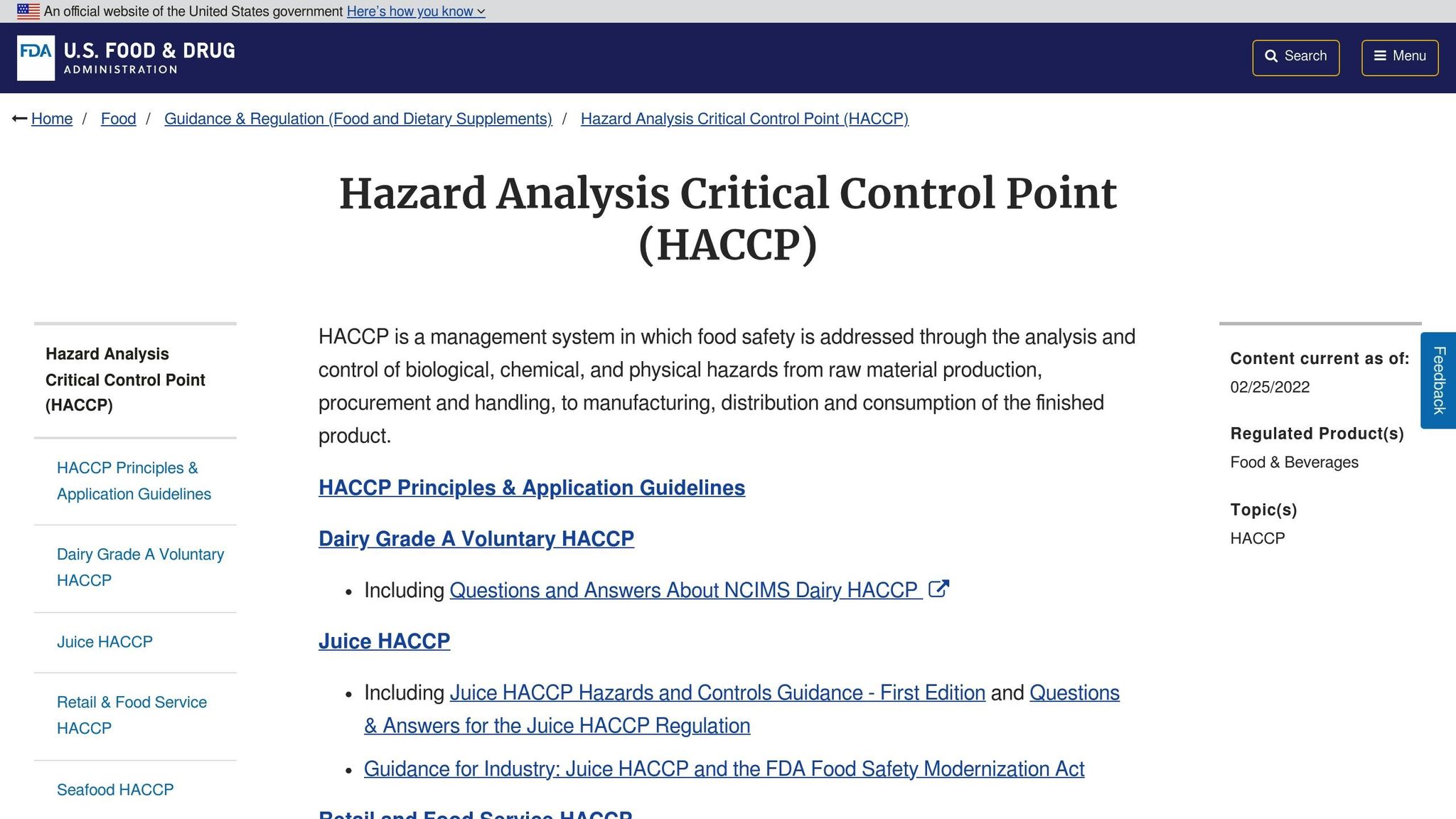
Beyond installation safety, cafés must also comply with stringent food safety and municipal regulations.
Food Safety Compliance
All cooking systems must align with HACCP (Hazard Analysis and Critical Control Points) principles to guarantee food safety. For electric systems, this often means digital temperature logging, while gas systems may rely on manual monitoring. Accurate and consistent temperature documentation is a cornerstone of HACCP compliance.
Municipality Approval Process
Municipality approvals require thorough documentation of safety and operational compliance. This includes certifications, assessments of ventilation or electrical loads, and emergency response plans. The approval process can vary in duration, depending on the complexity of the installation and the specific requirements of local authorities.
Ongoing Compliance Obligations
Once your café kitchen is operational, maintaining compliance is an ongoing task. Regular documentation and adherence to safety protocols not only prevent delays but also ensure a safer working environment.
Planning for these compliance measures from the very beginning is essential. It helps you avoid unnecessary setbacks and ensures your café kitchen meets all UAE safety standards right from the start.
sbb-itb-19c3c9a
Performance and Environmental Impact
Choosing between gas and electric cooking systems isn't just about upfront costs or safety measures. It's also about aligning your café's operations with sustainability objectives.
Kitchen Workflow and Efficiency
Gas systems are known for their speed and responsiveness, making them a go-to during busy service hours. The ability to instantly adjust heat allows chefs to move seamlessly between tasks like high-heat searing and gentle simmering. This flexibility can lead to faster service and a more efficient kitchen workflow.
In smaller café kitchens, gas burners shine by offering a range of cooking options despite limited space. From boiling to grilling, a single gas hob can handle it all, with the visible flame providing a clear indicator for heat control.
On the other hand, electric systems excel in precision. They offer stable temperature control, perfect for delicate recipes like sauces or baked goods, and help reduce food waste. Their flat surfaces make cleaning a breeze, while digital displays and programmable settings further simplify kitchen operations.
But performance isn’t the only factor. Energy use and environmental impact are equally important when deciding on the right system for your café.
Energy Use and Environmental Impact
Beyond day-to-day workflow, the environmental impact of your cooking system plays a significant role in long-term success. Electric systems are generally more efficient at converting energy into cooking heat compared to gas systems.
In the UAE, where renewable energy is becoming more prevalent, electric systems gain an edge. They avoid the direct emissions produced by gas systems, which can also increase cooling demands in the region's intense summer heat.
Over time, electric systems may also prove to be more cost-effective. They eliminate the need for gas delivery logistics and often come with features like programmable off-peak operation, helping to optimise energy use. Plus, with typically lower maintenance requirements, electric systems can reduce both operational costs and their environmental footprint.
These factors align well with the UAE's focus on sustainability and strict safety standards, making an informed choice all the more essential for café operators.
How to Choose the Right System
Selecting between gas and electric cooking systems is a decision that goes beyond technical details. It’s about aligning your café’s needs with daily operations, costs, and compliance requirements. The right choice can have a lasting impact on your business's success.
Key Decision Factors
When deciding on a system, keep these factors in mind:
- Menu complexity: If your café offers dishes like stir-fries, grilled items, or anything requiring quick heat changes, gas systems are ideal due to their responsiveness. On the other hand, electric systems are better for consistent heat control, which is perfect for delicate recipes.
- Available space and infrastructure: Assess your kitchen setup. Electric systems might require a 220–240V three-phase connection, while gas systems need proper LPG storage and ventilation.
- Budget considerations: Don’t just look at the purchase price. Include installation costs, potential upgrades (e.g., increasing electrical capacity for electric systems or improving ventilation for gas), and ongoing expenses like energy and maintenance.
- Operational volume: High-demand kitchens often prefer gas systems for their quick recovery times. Electric systems, however, are excellent for cafés with steadier, less intense cooking needs.
- Staff experience and training: Electric systems are generally easier to use and require minimal training. Gas systems, however, demand knowledge of safety protocols, leak detection, and emergency procedures, especially under UAE workplace safety standards.
- Sustainability goals: If environmental considerations are a priority, electric systems align with the UAE’s renewable energy initiatives. Gas systems, being dependent on non-renewable resources, may not fit as well with eco-conscious goals.
By focusing on these factors, you can narrow down your options and make a choice that aligns with your café’s unique needs.
Practical Tips for Evaluation
To confidently finalise your decision, follow these practical steps:
- Conduct a site assessment: Document your kitchen’s electrical capacity, gas line access, ventilation setup, and available space for cooking and storage. These details are crucial when consulting with commercial kitchen design experts familiar with UAE regulations.
- Consider long-term costs: Look beyond the initial price tag. Include equipment, installation, energy consumption, maintenance, and potential upgrades when calculating the total cost of ownership over the years.
- Test the equipment: Attend supplier demonstrations to evaluate heat-up times, temperature consistency, ease of use, and how the system handles heavy use. This hands-on approach gives you a clear idea of what works best for your operations.
- Check compliance requirements: Regulations can vary across emirates. Verify with Dubai Municipality or local authorities to ensure your chosen system meets fire safety and other regulatory standards specific to your location.
- Plan for future growth: If you anticipate expanding your business, choose scalable equipment. Electric systems usually offer more flexibility for growth, while gas systems may require additional infrastructure investments.
- Evaluate supplier support: Strong supplier partnerships are key. Look for providers that offer comprehensive services, including installation, training, and responsive maintenance. A good warranty and reliable support can save you from unexpected downtime.
Collaborating with experienced kitchen designers who understand UAE-specific compliance and operational requirements can simplify the process. With the right system in place, your café will be well-positioned for success in both the short and long term.
Conclusion
Deciding between gas and electric cooking systems for your café has a direct impact on daily operations, profitability, and long-term growth. Each option brings its own strengths, making them suitable for different café styles and needs.
Gas systems are known for quick heat adjustments and cost-efficient operation but require solid ventilation setups and adherence to strict UAE safety regulations. On the other hand, electric systems provide precise and steady cooking, are easier to maintain, and align well with growing sustainability initiatives.
The right choice depends on several factors, including your menu, existing kitchen infrastructure, and budget, all while complying with UAE fire safety, HACCP, and local municipality standards. For cafés focusing on quick-service items like pastries or sandwiches, electric systems may be the better fit. Meanwhile, those specialising in grilled dishes or handling high-volume cooking might benefit more from the flexibility and speed of gas systems. Working with skilled kitchen designers familiar with UAE regulations can ensure your setup meets all required standards while optimising performance for your café’s needs.
As the UAE café industry increasingly prioritises sustainability, making the right decision now can help secure your business’s future. Select the cooking system that aligns with your menu, kitchen layout, and sustainability goals while meeting the country’s rigorous safety requirements.
FAQs
What should café owners in the UAE consider when choosing between gas and electric cooking systems?
When choosing between gas and electric cooking systems for your café in the UAE, it's important to weigh factors like performance, energy efficiency, and cost-effectiveness. Gas systems are known for their quick heat control, making them great for high-temperature cooking. On the other hand, electric systems provide steady, consistent heat and can be more efficient over time.
You’ll also need to ensure your choice aligns with UAE kitchen design standards, particularly safety regulations and proper ventilation. Think about the specific needs of your café - such as the type of menu you offer and the volume of cooking you handle daily. If your business has sustainability goals, that’s another key consideration when deciding which system fits your objectives. Both options have their strengths, so your decision will ultimately depend on what works best for your setup and priorities.
How do gas and electric cooking systems support sustainability and energy efficiency in cafés across the UAE?
In the UAE, sustainability and energy efficiency have become top priorities. Programmes like the National Demand Side Management (DSM) Programme are actively working to cut down energy consumption while reducing environmental impact. These efforts tie directly to the UAE's net-zero strategy, which aims to make clean energy account for 50% of the national energy mix by 2050.
When it comes to kitchen systems, gas cooking setups are known for their quick heating capabilities and lower operational costs, making them an efficient option if used properly. On the other hand, electric systems are often considered the more sustainable choice. They can easily integrate with renewable energy sources and result in fewer greenhouse gas emissions. Ultimately, the best choice for your café will depend on its operational requirements, with a clear focus on balancing efficiency, safety, and sustainability goals.
What safety and compliance standards must be met when installing gas or electric cooking systems in a café in the UAE?
When setting up gas or electric cooking systems in a café in the UAE, following local safety regulations and kitchen design standards is a must. For gas systems, ensure there’s proper ventilation, flame failure devices, and secure gas connections to minimise the risk of leaks. Electric systems, on the other hand, need to meet the café's wiring and load capacity requirements, ensuring they integrate seamlessly with the existing electrical setup.
It’s also important that all equipment aligns with UAE Civil Defence guidelines and receives approval from the appropriate authorities. Regular inspections and maintenance play a key role in maintaining safety and compliance over time. To ensure everything is up to code, always work with certified professionals or consult local authorities.
