


Commercial kitchens in the UAE face serious ventilation challenges due to extreme heat, high humidity, and strict regulations. Poor systems can lead to safety risks, high energy bills, and fines. Here's a quick overview of how to address these issues effectively:
- Key Problems: Excessive heat, grease buildup, and inefficient airflow.
- Solutions: Advanced systems like Demand Control Kitchen Ventilation (DCKV) can cut energy costs by up to 50%. Regular cleaning and maintenance improve safety and compliance.
- Regulations: UAE authorities like Dubai Municipality and Civil Defence enforce strict standards, including fire-resistant exhaust systems and HACCP certification.
- Benefits: Proper ventilation reduces fire risks, improves air quality, and lowers energy costs, creating a safer and more comfortable workspace for staff.
Read on for practical tips and strategies tailored to the UAE's unique climate and regulatory requirements.
Commercial Kitchen HVAC Design Project |PART 1|Air Conditioning &Ventilation|AMNEAR MEP|BIM|
UAE Regulatory Requirements for Kitchen Ventilation
Meeting regulatory standards in the UAE isn’t just about ticking boxes - it’s about creating safer, more efficient kitchens. Commercial kitchens must follow detailed guidelines to ensure fire safety, maintain food hygiene, and uphold operational excellence. Below, we break down the key regulatory bodies and their requirements.
Key Regulations: Dubai Municipality, Civil Defence, and HACCP
The UAE Fire & Life Safety Code is the cornerstone of kitchen ventilation regulations. It enforces strict rules for fire suppression and ventilation. For example, kitchen exhaust systems must have a fire resistance rating of at least 120 minutes, ensuring they can endure extreme conditions. This requirement directly affects how kitchens are designed and what equipment is used.
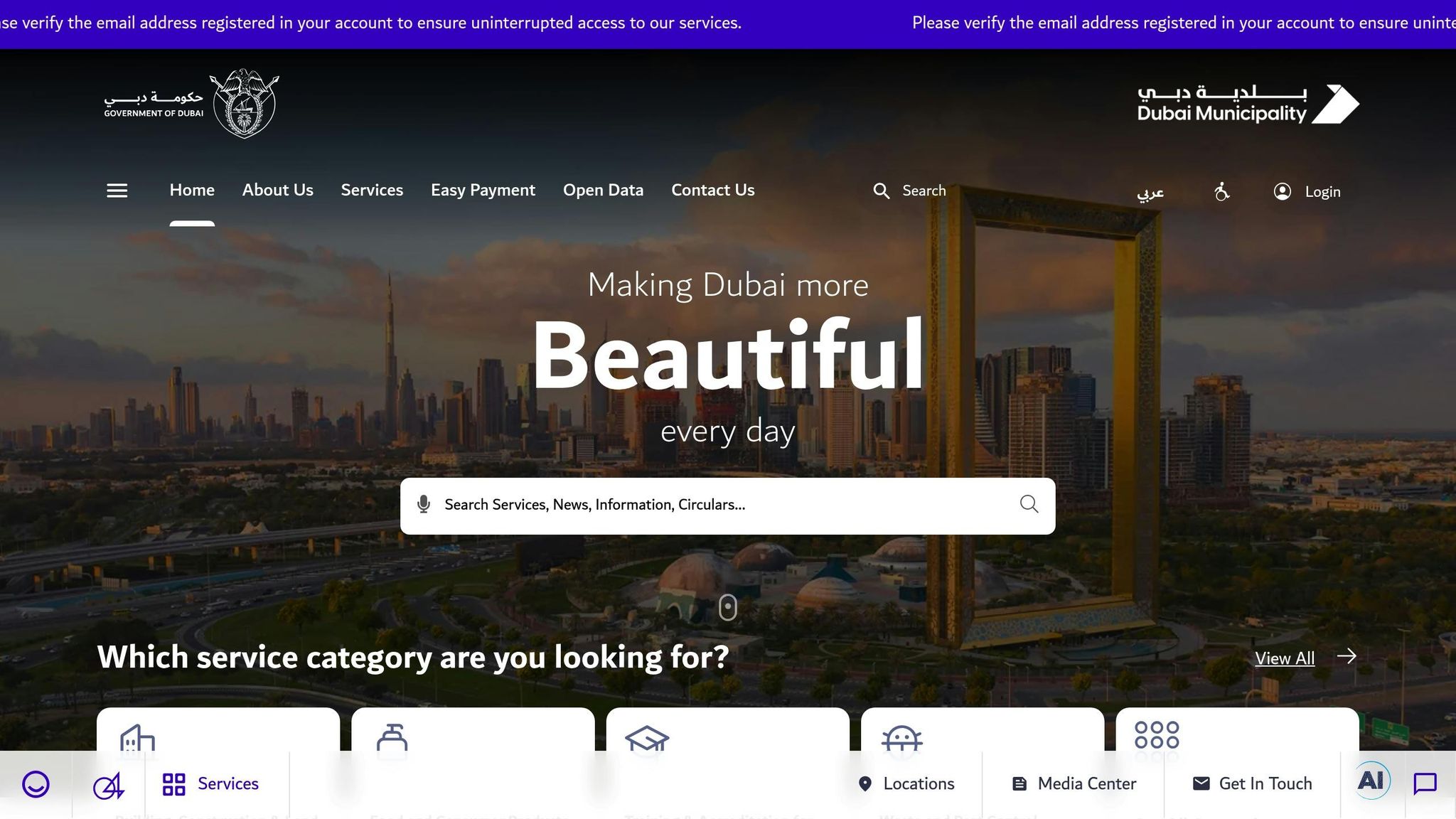
Dubai Municipality plays a crucial role in regulating kitchen setups. They require pre-approval of design plans, mandate a minimum kitchen size of 300 square feet, and enforce ventilation standards to effectively manage grease and airflow. In 2025, they introduced stricter guidelines, requiring all commercial kitchens to submit their designs for approval before construction begins. Their focus extends beyond basic safety to include measures that protect staff and nearby properties from grease and airflow issues.
"A proper kitchen hood design must align with safety, ventilation, and fire protection standards mandated across the UAE." - Klima Global
Civil Defence authorities oversee fire suppression systems, which are integral to ventilation setups. Their approval is a must for any commercial kitchen, and they conduct regular inspections to ensure compliance. The NFPA 96 standard, which covers ventilation control and fire protection, is a key reference during these inspections.
HACCP certification adds another layer of responsibility. This food safety system requires ventilation designs that control air quality and prevent contamination. HACCP certification is mandatory for all food-related businesses in the UAE, including restaurants and catering services. Your ventilation system must handle heat, humidity, and grease effectively to meet these standards.
For instance, in 2025, a Dubai restaurant upgraded its ventilation system, reducing grease buildup by 40% and improving air quality. This upgrade, led by Food Safety Manager Ahmed Al-Mansoori, resulted in a successful HACCP audit and boosted customer satisfaction by 25%.
"HACCP certification is essential for any food business in the UAE, as it not only ensures compliance with local regulations but also enhances consumer trust." - MRS Food Safety
Certification and Inspection Requirements
Navigating the certification and inspection process is a multi-step journey. Both Dubai Municipality and the Abu Dhabi Agriculture and Food Safety Authority (ADAFSA) conduct inspections to verify HACCP compliance. These inspections can happen without prior notice, so readiness is key.
Before certification, your ventilation system must pass rigorous testing. This includes checks for proper airflow rates, integrated fire suppression systems, and effective grease management. All ductwork must align with NFPA 96 standards, and systems should include UL 300-approved fire suppression technology.
Documentation is critical and must be meticulously maintained. Records of maintenance, inspections, and modifications are essential during audits. Missing documentation can lead to delays or compliance issues. In 2025, Klima Global helped several Dubai clients achieve compliance by redesigning their ventilation systems to meet NFPA 96 standards from the start. This proactive strategy ensured smooth inspections and avoided costly redesigns.
Costs for HACCP certification range from AED 5,000 to AED 15,000, with additional expenses for Civil Defence approvals and third-party inspections.
Regular maintenance is equally important. Ventilation systems need documented cleaning, filter replacements, and performance checks at specific intervals. Ignoring these schedules can void certifications and lead to penalties. Following these guidelines also simplifies system upgrades and ensures long-term compliance.
"Regular inspections and adherence to HACCP principles are crucial for maintaining food safety and compliance in commercial kitchens." - Dubai Municipality
The regulatory framework is also moving towards smart technology. Ventilation systems with automated controls and monitoring features often receive more favourable inspections. These systems show a commitment to safety and operational efficiency, aligning with the UAE’s push for modern, proactive solutions.
Common Ventilation Problems in UAE Commercial Kitchens
Commercial kitchens across the UAE face unique ventilation challenges due to the demands of intensive cooking operations. Tackling these issues is essential to ensure both safety and operational efficiency. Below, we explore some of the most pressing concerns and their implications.
Heat and Humidity Problems
Managing heat in line with UAE’s stringent ventilation regulations is not just about compliance - it’s a matter of safety and comfort. The region’s extreme climate exacerbates heat issues in commercial kitchens, where temperatures can soar above 38°C due to the combination of high-powered cooking equipment and confined spaces. This intense heat can lead to severe stress for staff, reduced productivity, and even increased turnover rates.
Traditional ventilation systems, which often run at maximum capacity, are energy-intensive yet fail to effectively address the heat. This inefficiency wastes resources without delivering the necessary cooling. However, Demand Control Kitchen Ventilation (DCKV) systems offer a smarter approach. These systems adjust airflow dynamically based on real-time cooking activity, slashing ventilation energy costs by up to 90% while maintaining a safer and more comfortable environment.
For instance, a cloud kitchen in Dubai implemented a custom DCKV solution, cutting its power consumption by 22 KW and significantly improving indoor air quality.
"DCKV technology dynamically adjusts ventilation speeds based on real-time conditions, ensuring immediate heat and smoke removal, reducing kitchen temperature." - Klima Global
While heat is a major concern, airflow and grease management present additional challenges.
Grease and Airflow Issues
Grease accumulation is a persistent issue in UAE commercial kitchens, especially with the prevalence of high-heat, oil-heavy cooking methods. Grease buildup in exhaust systems not only creates a fire hazard but also clogs filters and disrupts airflow. This leads to recirculated, greasy air that coats surfaces and increases the risk of flash fires.
To mitigate these risks, UAE regulations require regular cleaning and maintenance of kitchen exhaust systems. Professional cleaning services typically cost between AED 1,500 and AED 5,000 per session, depending on the kitchen’s usage. High-demand kitchens often need cleaning every 1–3 months to stay compliant and safe.
In March 2025, Galaxy Technical Services highlighted the impact of regular maintenance when they worked with a Dubai-based restaurant. Their efforts reduced fire hazards, improved air quality, and boosted staff productivity by 30%, all while enhancing overall ventilation efficiency.
"Regular kitchen exhaust cleaning is not just a matter of cleanliness; it's a critical aspect of fire safety and regulatory compliance for UAE businesses." - Galaxy Technical Services
Neglecting proper maintenance not only heightens fire risks but also worsens airflow issues, leading to uncomfortable and unsafe working conditions for kitchen staff.
sbb-itb-19c3c9a
Solutions for Ventilation Problems
Tackling ventilation challenges requires a mix of technology, smart design, and proactive maintenance. These strategies not only address regulatory requirements but also suit the region's demanding climate. Here's how you can overcome common ventilation issues effectively.
Modern Ventilation Systems
Today's advanced systems are designed to improve both air quality and energy efficiency. They utilise smart sensors, variable-speed drives, and heat recovery units to adjust airflow dynamically, based on real-time cooking activities. Multi-stage grease filters are also essential as they trap contaminants before air is exhausted, ensuring cleaner and safer operation.
Design and Layout Improvements
A well-thought-out kitchen design plays a crucial role in ventilation efficiency. Hoods should be appropriately sized and strategically placed to capture heat, smoke, and grease, adhering to local standards. Incorporating make-up air systems and zoned ventilation designs allows airflow to be customised for different kitchen areas. For added safety, automatic dampers can be integrated with fire suppression systems, creating a seamless response to emergencies.
Maintenance Best Practices
Regular maintenance is key to keeping ventilation systems running smoothly and safely. A planned preventative maintenance (PPM) schedule should include professional duct cleaning every 3–6 months, or more frequently for high-volume kitchens. This not only prevents grease buildup but can also extend equipment lifespan by as much as 50%.
In March 2023, Al Waha Hygiene, a Dubai-based professional cleaning service, highlighted the benefits of routine maintenance. Their clients who adhered to a three-month duct cleaning schedule saw a 30% reduction in fire risks and noticeable improvements in air quality, which also helped them comply with health regulations.
"Regular maintenance not only helps compliance with best practice and health and safety guidance but also enhances the longevity of your equipment."
– Airedale Group
To maintain peak performance, implement a filter replacement programme. This should include weekly cleaning of baffle filters and monthly replacement of carbon filters. High-efficiency particulate air (HEPA) filters, known for improving air quality, should be replaced as per the manufacturer’s guidelines. Using calibrated airflow meters to monitor system performance can also help detect issues early, preventing larger problems down the line.
Finally, thorough documentation of maintenance activities is essential. This not only ensures compliance with health and safety regulations but also provides proof during inspections. Training kitchen staff on cleaning and upkeep procedures can further boost system efficiency and safety, ensuring minor issues are addressed before they escalate.
Benefits of Proper Ventilation for UAE Commercial Kitchens
In addition to meeting regulatory requirements and operational needs, proper ventilation is a game-changer for UAE commercial kitchens. It boosts safety, ensures hygiene, and significantly cuts down on energy costs - all while creating a more comfortable workspace for kitchen staff.
Better Safety and Hygiene
A well-designed ventilation system is essential for maintaining a safe and hygienic kitchen environment. By reducing fire risks and upholding strict hygiene standards, these systems play a critical role in ensuring compliance with UAE regulations. For example, grease ducts in kitchens must meet a 120-minute fire resistance rating, a requirement that ensures both safety and reliability.
"Upholding stringent health and safety standards protects staff, customers, and business reputation. In Dubai, stringent regulations ensure food safety and hygiene." - YKC
Ventilation systems installed by contractors approved by the Abu Dhabi Civil Defence (ADCD) are specifically engineered to meet the dual demands of hygiene and fire safety. These systems also help maintain air quality, a crucial factor in adhering to food safety regulations enforced by Dubai's Food Control Department. Furthermore, they align with HACCP standards set by Dubai Municipality and ADAFSA.
To ensure maximum safety and compliance, it’s advisable to work with ADCD-approved contractors for the design, installation, and maintenance of kitchen ventilation systems. This guarantees that your kitchen meets both fire safety and hygiene requirements during inspections.
Lower Energy Costs and Better Working Conditions
Proper ventilation doesn’t just improve safety - it also makes a noticeable difference in energy efficiency and staff comfort. Advanced Demand-Controlled Kitchen Ventilation (DCKV) systems, for instance, dynamically adjust airflow based on cooking activity. This approach not only reduces energy consumption but also enhances comfort in the UAE's extreme climate. Many of these systems offer a quick return on investment, with payback periods as short as one to two years.
In the UAE’s intense heat, using pre-cooled make-up air is critical for maintaining a comfortable environment for kitchen staff. A well-balanced system that integrates exhaust and make-up air ensures optimal capture efficiency, improving staff comfort even in the challenging hot and humid conditions of the MENA region.
"A well-balanced exhaust and make-up air plan ensures optimal capture efficiency, better staff comfort, and code compliance in the challenging environments of the MENA region." - Klima Global
Energy Savers has successfully implemented DCKV systems in UAE kitchens, optimising energy use by tailoring ventilation to the actual cooking load. This not only reduces energy bills but also improves sustainability and overall kitchen air quality by efficiently managing heat, smoke, and odours.
"The MSA Bacharach® BVC-650 Control System... maximises kitchen ventilation energy efficiency and reduces energy waste whilst improving kitchen comfort." - MSA Safety
Improved ventilation also has a direct impact on staff well-being. By effectively removing heat and moisture, it prevents air imbalances and creates a more comfortable atmosphere. This is especially important in the UAE, where extreme temperatures can otherwise make kitchen work unbearable. A better working environment leads to higher job satisfaction, fewer sick days, and improved staff performance - all while ensuring a safer and healthier space.
Key Points for Solving Ventilation Issues
Ensuring proper kitchen ventilation in the UAE requires a balance of local safety standards, advanced technology, and consistent maintenance to meet both regulatory and operational needs. Here's a closer look at the essential components of an effective ventilation strategy.
The foundation of any successful ventilation system is regulatory compliance. Collaborating with qualified contractors who adhere to UAE safety regulations ensures that fire safety and hygiene standards are seamlessly integrated into your kitchen's design.
Beyond meeting regulations, modern technology is a game-changer. Advanced ventilation systems equipped with smart controls can automatically adjust airflow to manage heat, humidity, and grease buildup. These systems not only improve energy efficiency but also create a more comfortable working environment, which is particularly crucial in the UAE's demanding climate.
However, even the most advanced systems require regular maintenance to perform effectively. Implementing quarterly maintenance routines and deep cleaning protocols is essential to prevent breakdowns and maintain efficiency. For instance, CVAC International recommends quarterly servicing and deep cleaning for commercial kitchen extraction systems to reduce fire risks and ensure optimal performance. Similarly, Transguard Kitchen Maintenance Solutions offers comprehensive annual maintenance contracts, which include 24/7 call-out services, access to genuine spare parts, and cutting-edge Computer Aided Facility Management (CAFM) software for asset tracking and performance monitoring.
Another valuable tool is IoT-enabled sensors, which monitor system performance in real time. These sensors help detect potential issues early, reducing downtime and ensuring smooth operations in high-demand commercial environments.
Finally, successful ventilation is not just about systems - it's about expert partnerships. Working with experienced professionals who understand the UAE's unique requirements ensures that your ventilation system is designed, installed, and maintained to the highest standards. Effective ventilation goes beyond compliance; energy-efficient systems lower operational costs, improve safety, and create a more comfortable workspace. In the UAE's intense heat, efficient removal of heat and moisture can directly boost staff productivity and satisfaction, turning ventilation into a strategic investment that enhances both safety and operational excellence.
FAQs
What are the key advantages of using Demand Control Kitchen Ventilation (DCKV) systems in UAE commercial kitchens?
Demand Control Kitchen Ventilation (DCKV) systems bring a range of benefits to commercial kitchens in the UAE. One of the standout advantages is their ability to cut down on energy use by automatically adjusting ventilation levels based on the intensity of cooking activities. This not only helps lower utility bills but also supports environmentally conscious practices.
Beyond energy efficiency, DCKV systems play a crucial role in maintaining a healthier indoor atmosphere. They effectively manage smoke, odours, and heat, ensuring a more comfortable and safer workspace for kitchen staff. Additionally, these systems enhance operational efficiency by minimising wear and tear on ventilation equipment, which helps maintain reliability over time and ensures compliance with local regulations.
What steps should UAE commercial kitchens take to comply with local regulations like the UAE Fire & Life Safety Code and HACCP certification?
For commercial kitchens in the UAE, adhering to the UAE Fire & Life Safety Code and securing HACCP certification means focusing on a few critical areas:
- Ventilation systems: Make sure your exhaust systems meet local standards, incorporate fire-rated ductwork, and install UL 300-approved fire suppression systems to enhance safety and compliance.
- Fire safety: Secure all required approvals and certifications from civil defence authorities to ensure your kitchen meets fire safety regulations.
- Hygiene practices: Put robust food safety management systems in place that align with HACCP standards. Pay attention to factors like proper airflow, temperature control, and consistent maintenance routines.
Focusing on these elements not only ensures compliance but also boosts safety, air quality, and overall operational efficiency.
What maintenance steps are crucial for keeping commercial kitchen ventilation systems efficient and compliant in the UAE?
To keep your commercial kitchen ventilation system running smoothly and meeting UAE regulations, regular upkeep is a must. Start with routine cleaning of the canopy, ductwork, and grease filters. This prevents grease buildup, keeps airflow steady, and enhances overall air quality while reducing fire hazards.
It’s also important to arrange professional inspections at least twice a year with certified fire protection specialists. These checks confirm your system aligns with local safety requirements and functions efficiently. Staying ahead with maintenance not only prolongs the life of your equipment but also ensures you remain compliant with UAE safety standards.
