


Food safety in UAE kitchens starts with proper refrigeration. HACCP (Hazard Analysis and Critical Control Points) regulations ensure food safety by managing risks like bacterial growth. Refrigeration systems play a key role by maintaining correct temperatures for perishable foods, especially in the UAE's extreme climate. Here's what you need to know:
- HACCP Basics: Focuses on preventing foodborne risks through seven principles, including monitoring and maintaining critical temperatures (e.g., 0°C–4°C for chilled and –18°C for frozen items).
- UAE Regulations: Federal Law No. 10 of 2015 mandates HACCP compliance for all food establishments, with penalties for violations reaching AED 2 million.
- Refrigeration Features: Systems must handle high-ambient temperatures (40°C+) with robust insulation, oversized compressors, and precise monitoring tools.
- Energy Efficiency: Opt for Energy Star-certified units, inverter compressors, and smart monitoring to cut energy costs and ensure compliance.
- Maintenance: Regular upkeep - like cleaning filters and monitoring sensors - is critical to prevent breakdowns in the UAE's harsh environment.
Whether it’s walk-in cold rooms, blast chillers, or compact under-counter units, selecting the right refrigeration system ensures compliance, reduces costs, and protects food quality.
HACCP-Compliant Refrigeration: Core Requirements
In the UAE's intense climate, refrigeration systems must meet stringent technical standards to align with HACCP principles. These features are essential to protect food safety and ensure smooth operations.
Temperature Control and Monitoring
Refrigeration systems must maintain precise temperature ranges: between 0°C and 4°C for chilled products and –18°C for frozen goods. To comply with regulations, systems must log temperatures continuously, storing this data on-site for at least one year for potential inspections by Dubai Municipality or other authorities.
Modern refrigeration systems often include real-time alarm notifications to alert operators about temperature changes or equipment failures. Many advanced systems also feature remote monitoring and centralised management tools like BACNet, PLC, or SCADA, enabling real-time adjustments to cooling output and energy tracking.
Some systems go a step further by using data analytics to detect trends and identify risks before they escalate into spoilage issues. This proactive approach helps minimise downtime and prevents temperature breaches that could jeopardise food safety.
With temperature control measures in place, maintaining rigorous hygiene standards becomes the next priority.
Hygiene and Construction Standards
Refrigeration equipment must be constructed from smooth, non-porous stainless steel and cleaned with food-safe, fragrance-free chemicals to avoid contamination. Proper drainage systems are equally important to prevent water build-up, which can become a breeding ground for bacteria. Additionally, the design should allow for clear separation of raw and cooked foods to eliminate the risk of cross-contamination - an essential aspect of the UAE's food safety regulations.
A standout example is Abela & Co., a UAE-based food service company producing over 100,000 meals daily. In 2017, the company celebrated its 11th consecutive year of HACCP certification. To achieve this, they allocated 15% of their workforce to a stewarding division responsible for cleaning. Their methods include industrial-grade cleaning agents and ATP swabbing to ensure surface hygiene across refrigeration and preparation areas. Nancy Nouaimeh, Assistant Vice President of Quality, Safety & Performance Excellence at Abela & Co., explained:
"HACCP certification... is a strict yardstick that measures and controls our process from receiving of raw material to the service stage".
While hygiene is critical, refrigeration systems in the UAE must also be equipped to handle the region's extreme heat.
High-Temperature Performance for UAE Conditions
In the UAE, standard refrigeration units often fall short. Systems need to be rated for high-ambient temperature performance, commonly referred to as "Tropical" or "T-class" specifications. These systems rely on oversized compressors with higher cooling capacities, enhanced heat exchange mechanisms, and superior insulation to maintain stable internal temperatures while minimising energy loss.
Without these features, refrigeration units may overheat, fail prematurely, or struggle to maintain required temperatures, leading to spoilage and regulatory violations. The extreme heat in the UAE places additional stress on refrigeration systems, making features like variable-speed fans, oversized compressors, and strategic equipment placement essential.
Regular preventive maintenance is also key. This includes cleaning condenser coils, checking refrigerant levels, and inspecting door seals to prevent cold air leakage. Additionally, condensing units should be positioned in areas with unobstructed airflow to avoid heat build-up, which can reduce efficiency and even cause system shutdowns during peak summer months.
Energy-Efficient Refrigeration Systems

HACCP-Compliant Refrigeration Systems Comparison for UAE Commercial Kitchens
Choosing refrigeration systems that meet HACCP standards while keeping energy consumption low is especially important in the UAE, where electricity costs are high. Here's a breakdown of the available options and their features.
Refrigeration System Types
Walk-in Cold Rooms
Walk-in cold rooms are a must-have for operations with high storage demands, such as catering facilities and large restaurants. UAE-manufactured models use 10 mm rigid injected polyurethane foam insulation paired with European cooling units, ensuring consistent temperatures between –15°C and –18°C - even during the scorching summer months. These systems are ideal for scalable bulk storage needs.
Upright Reach-In Chillers and Freezers
Perfect for medium-sized operations that require frequent access, these units are equipped with digital thermostats and advanced temperature control systems to maintain stable cooling conditions.
Under-Counter and Low-Boy Units
For cafés and bakeries where space is limited, under-counter and low-boy units offer compact yet efficient cooling. Prices range from 4,200 AED for single-door models to 12,075 AED for six-drawer configurations, making them a practical choice for smaller setups [12, 14].
Blast Chillers
Blast chillers are designed to rapidly lower food temperatures, a critical step in preventing bacterial growth and meeting HACCP requirements. Available in various configurations, prices start at 5,775 AED for three-tray models and go up to 20,200 AED for ten-tray units [14, 17].
Display Cases
Display cases are commonly used in front-of-house or retail settings, combining product visibility with temperature control. Upright display freezers, priced at around 6,500 AED, often feature energy-saving components like LED lighting and night covers to minimise cooling loss during non-operational hours [12, 13, 17].
These systems are designed with specific energy-saving features to reduce operational costs while maintaining high performance.
Energy-Saving Components
Inverter Compressors
Inverter compressors adjust cooling power based on demand, preventing energy spikes and ensuring consistent temperature control. Many commercial units now incorporate inverter technology from brands like LG, Samsung, and Hitachi, aligning with HACCP standards.
Energy Star Certification
Energy Star certified refrigeration systems are about 20% more efficient than standard models. For example, certified glass-door freezers can save up to 900 kWh annually, translating to over 440 AED in savings, while solid-door refrigerators save approximately 325 kWh and 160 AED each year.
Smart Monitoring Systems
Wireless systems like TempTrak provide 24/7 temperature monitoring to ensure HACCP compliance. In 2006, the Grand Hyatt Dubai installed TempTrak, with 125 temperature sensors connected to a central server via 12 base stations. Viktor Stampfer, Senior Director of Culinary and Concept Development MEA at Marriott International, praised its effectiveness:
"We have chosen MGK Temptrak for all properties due to the exceptional Track Record Mirco and his Team have delivered in the GCC with the TempTrak HACCP Monitoring System".
Energy-Saving Devices
Accessories like the Endocube insert mimic food temperatures rather than air temperatures, cutting the energy use of walk-in chillers and freezers by up to 30%. Other energy-saving features include ECM fan motors, LED lighting, and eco-friendly refrigerants like R-290 (Propane), R-600a (Isobutane), and R-744 (CO₂), which also help reduce environmental impact. ACMECOOLANT, part of the Dina Group, reported a 32% drop in energy consumption over five years due to improved designs and materials [13, 16].
Refrigeration Systems Comparison
Here's how these systems compare in terms of efficiency, capacity, and suitability for different needs:
Walk-in Cold Rooms
These systems are ideal for industrial-scale operations requiring large-capacity storage. With 10 mm polyurethane foam insulation and European cooling units, they maintain precise temperatures between –15°C and –18°C, even in extreme heat. However, they come with a high initial investment [17, 20].
Upright Chillers
Designed for medium to high-capacity needs, upright chillers feature digital inverter compressors and eco-friendly refrigerants. Their durability makes them suitable for busy kitchens with frequent door openings, ensuring HACCP compliance [12, 19].
Low-Boy and Under-Counter Units
Compact yet efficient, these units are perfect for space-constrained environments. They offer low to medium capacity and include energy-efficient compressors and drawer systems that minimise cold air loss [12, 14].
Blast Chillers
Blast chillers are process-driven, using high-efficiency cooling cycles to rapidly lower food temperatures. This functionality is crucial for food safety compliance and is particularly valuable in operations handling perishable items [14, 17].
Display Cases
Display cases combine medium storage capacity with features like LED lighting and energy-saving fan motors. Glass doors enhance product visibility, but night covers are essential in the UAE's climate to reduce cooling loss during off-hours [12, 13].
For the best results, choose Energy Star certified systems to meet stringent efficiency standards. Routine maintenance, such as cleaning condenser coils every six months, and simple practices like using night covers for display units, can further optimise energy use and extend the lifespan of your equipment [12, 22].
How to Select the Right Refrigeration System
Selection Criteria
When choosing a refrigeration system, it’s crucial to focus on HACCP compliance, energy efficiency, and performance in high temperatures. Start by reviewing the Energy Efficiency Ratio (EER) and kilowatt-hour (kWh) usage to estimate operating costs. On average, refrigeration systems can account for nearly one-third of a commercial kitchen’s energy consumption.
For professional kitchens in the UAE, a Climate Class 5 rating is a must. Unlike standard Climate Class 4 systems, which are designed for 30°C, UAE kitchens often experience temperatures exceeding 40°C during the summer. Climate Class 5 equipment is built to maintain HACCP-required cooling levels even in these extreme conditions. This prevents compressors from overworking, which reduces energy waste and extends the system’s lifespan. Adding proper insulation can further minimise cooling loss and ease the strain on the system.
Temperature control is another critical factor. Digital thermostats and monitoring systems should be in place to record temperatures consistently, as required by HACCP guidelines. Under UAE food safety laws, facilities handling perishable goods are subject to regular inspections to ensure compliance with national standards.
Opt for systems that use natural refrigerants like R-290, which are more environmentally friendly and energy-efficient. Features such as Optiflow air circulation can reduce energy consumption by approximately 12% while maintaining stable internal temperatures, even with frequent door openings. For display units, consider additional energy-saving features like night covers and LED lighting to minimise cooling loss during off-hours.
These considerations lay the groundwork for customised refrigeration solutions, such as those provided by Silverline Kitchens.
Silverline Kitchens' Services
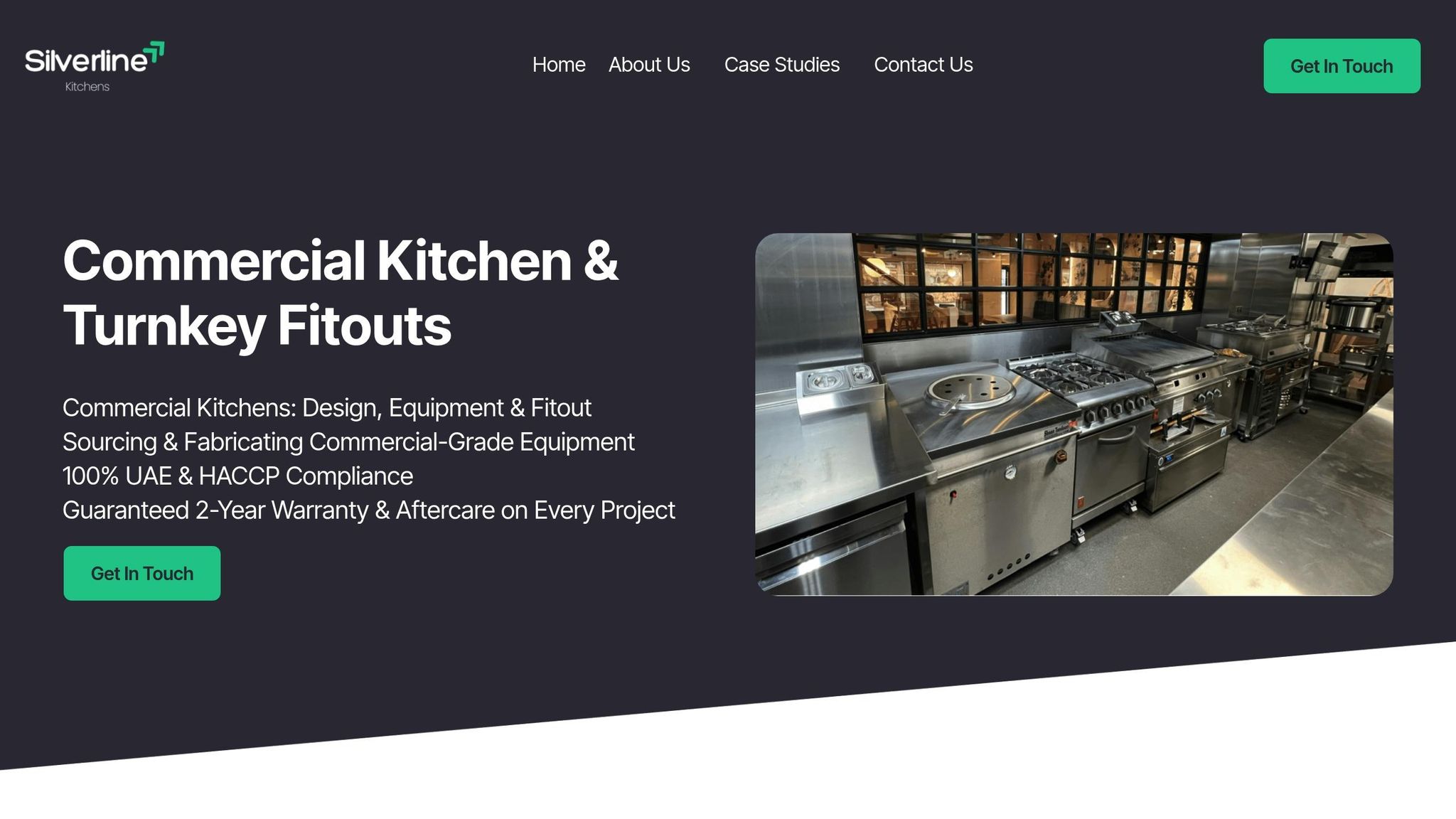
Silverline Kitchens applies these principles to design, source, and install HACCP-compliant refrigeration systems tailored to the specific needs of UAE businesses. Their services span from initial kitchen layout design to equipment sourcing, fabrication, and installation, ensuring full compliance with HACCP, Dubai Municipality, and Civil Defence standards. Whether you’re opening a new restaurant, café, bakery, or catering facility - or upgrading an existing one - they handle every aspect of the project.
In addition to installation, Silverline Kitchens provides ongoing maintenance and support to keep your refrigeration systems running efficiently. This includes Planned Preventative Maintenance (PPM) schedules to clean condenser coils, check door seals, and prevent breakdowns, especially in the UAE’s challenging climate. They also offer renovation services to upgrade existing kitchen spaces, replacing outdated equipment and ensuring compliance with the latest regulations - all while minimising downtime for your business.
sbb-itb-19c3c9a
Installation and Maintenance for Compliance
Installation and Testing
When setting up HACCP-compliant refrigeration systems in the UAE, it’s crucial to focus on precise load calculations, proper equipment sizing, and optimised piping layouts. These systems must meet HACCP standards, align with Dubai Municipality regulations, and adhere to UAE Fire & Safety codes, from the initial concept stage to final commissioning.
Advanced control systems like PLC, SCADA, and BMS should be integrated for continuous temperature monitoring and analytics. Using BACNet IP protocols, these systems enable centralised management, ensuring smooth automation and monitoring across multiple refrigeration units.
Key installation steps include adding pressure relief valves, leak detectors, and high-quality insulation. Proper insulation plays a vital role in reducing heat transfer, preventing condensation, and maintaining energy efficiency. Additionally, compressors and condensers should be positioned for easy access, simplifying maintenance.
Technical supervision during the commissioning phase is essential to verify system performance. This includes testing variable-speed compressors and smart control systems to ensure they adjust speed based on demand, optimising energy use while maintaining HACCP compliance. These carefully executed installation protocols lay the groundwork for reliable long-term performance.
Maintenance and Monitoring
Once the system is installed, consistent maintenance is key to ensuring it operates efficiently and remains compliant. In the UAE's challenging climate, preventive maintenance becomes even more critical. High humidity can lead to frost build-up on evaporators, while dusty conditions often clog filters. Scheduling regular maintenance can extend the life of compressors and condensers, and in humid environments, more frequent defrosting cycles are necessary to prevent frost accumulation.
IoT-enabled sensors offer real-time data and remote monitoring capabilities. These tools allow facility managers to track temperatures and access historical logs from anywhere using a mobile device or PC. For food safety compliance, temperature sensors should log data every five minutes, with records stored on-site for at least one year to meet inspection requirements.
Automated alerts - via SMS, email, or app notifications - can warn operators about temperature deviations, protecting food safety and maintaining HACCP standards. To ensure accurate readings, sensors should be placed in areas that represent the overall room temperature, avoiding spots near doors or evaporators where false readings are more likely. Additionally, systems should monitor power failures, a critical risk in the UAE’s hot climate.
Key maintenance tasks include cleaning filters and condensers to combat dust build-up, inspecting insulation and door seals to minimise heat transfer and condensation, and regularly calibrating digital thermometers to ensure accurate temperature logging.
Reliable after-sales support is also essential. This includes ongoing servicing, repairs, and Planned Preventative Maintenance schedules, all of which help minimise downtime and ensure systems continue to operate efficiently while meeting Dubai Municipality standards.
Conclusion
HACCP-compliant refrigeration systems shift the focus of food safety from being reactive to being preventive by actively addressing potential hazards before they arise. These systems are built to tackle the unique challenges posed by the UAE's intense climate, such as extreme heat and the risk of power outages. Beyond safety, they also bring the added benefit of energy efficiency.
Energy-efficient technologies can significantly cut operational costs. Features like inverter compressors, smart insulation, and automated monitoring systems help reduce utility bills - an essential benefit in a region where high temperatures often lead to increased energy consumption. Innovations like auto-cleaning systems, which can reduce downtime by up to 50%, and Biddle Air Curtains, which minimise energy loss at entrances by up to 72% compared to standard electric solutions, further enhance efficiency. These advancements align with the UAE National Water and Energy Demand Management Programme's goal of achieving a 40% increase in efficiency across high-energy-use sectors.
Additionally, real-time IoT sensors and cloud-based systems ensure immediate alerts and maintain secure, audit-ready records, offering a seamless way to monitor and manage compliance.
FAQs
What should I look for in a HACCP-compliant refrigeration system for UAE kitchens?
A refrigeration system that complies with HACCP standards in the UAE must focus on ensuring food safety, adhering to local regulations, and running efficiently. Here’s what such a system should include:
- Precise temperature control: Maintaining HACCP-recommended ranges is crucial - 0 °C to 5 °C for chilled storage and -18 °C for frozen goods. Accurate temperature monitoring is achieved through calibrated sensors, ensuring consistency.
- Continuous monitoring and alerts: Real-time tracking systems, paired with intelligent alarms, alert staff to any temperature fluctuations. This allows for quick corrective actions while staying compliant with audit requirements.
- Regulatory compliance: Equipment must align with UAE standards, including Dubai Municipality and Civil Defence regulations. Using food-safe materials and designs helps minimise contamination risks.
- Energy efficiency: Incorporating features like variable-speed compressors, LED lighting, and high-performance insulation not only ensures temperature stability but also reduces energy costs.
Silverline Kitchens provides customised refrigeration solutions that combine these critical features, helping your kitchen maintain HACCP compliance while being energy-efficient and meeting UAE-specific standards.
How can I improve the energy efficiency of my commercial refrigeration system while ensuring HACCP compliance?
To improve energy efficiency in your commercial refrigeration system while staying compliant with HACCP standards, start by choosing equipment that uses less power. Look for models with features like electronically commutated motors, variable-speed compressors, and LED lighting. These components are designed to consume less energy. It’s also vital to select equipment that matches your specific needs - oversized or undersized systems can lead to unnecessary energy waste. Companies like Silverline Kitchens can assist in sourcing and installing refrigeration units that meet UAE standards for energy efficiency.
Your operational habits also play a big role in energy savings. Regular maintenance is key - clean condenser coils, inspect door seals, and ensure proper airflow to optimise performance. These simple steps can save you up to AED 1,000 annually. Additionally, set temperature levels to the minimum safe range - 4°C for chillers and -18°C for freezers - and consider using features like door-open alarms or variable-speed drives to enhance efficiency. By combining the right equipment with routine upkeep and smart temperature management, you can cut down on energy costs, reduce your carbon footprint, and maintain HACCP compliance.
Why is reliable refrigeration important in the UAE's extreme climate?
In the UAE, where temperatures frequently soar above 40°C, refrigeration systems are pushed to their limits to keep food storage conditions safe. This makes efficient performance in extreme heat a necessity to safeguard food quality, prevent spoilage, and adhere to HACCP standards.
Having dependable, energy-efficient refrigeration units is vital - not just for maintaining steady cooling but also for managing operational costs in the region's demanding environment. Choosing high-performing systems ensures compliance with local regulations while also delivering significant savings over time.
